
Cloud Networking Explained: A Comprehensive Guide for Business Owners
Understanding Cloud Networking
In the rapidly evolving digital landscape, cloud networking has emerged as a vital component for businesses seeking agility, efficiency, and scalability. But what exactly is cloud networking, and how can it benefit your business? This comprehensive guide aims to demystify cloud networking for business owners, providing insights into its workings and advantages.

What is Cloud Networking?
Cloud networking refers to the process of hosting or using network resources and services in the cloud. It allows businesses to manage their networking infrastructure without the need for physical hardware. This means everything from servers to networking equipment can be virtualized, providing flexibility and reducing costs.
Benefits of Cloud Networking
Cloud networking offers numerous advantages for businesses of all sizes. Here are some key benefits:
- Cost Efficiency: By reducing the need for physical hardware, businesses can save on capital expenses and maintenance costs.
- Scalability: Easily scale resources up or down according to your needs, ensuring you only pay for what you use.
- Accessibility: Access your network resources from anywhere, facilitating remote work and collaboration.
How Cloud Networking Works
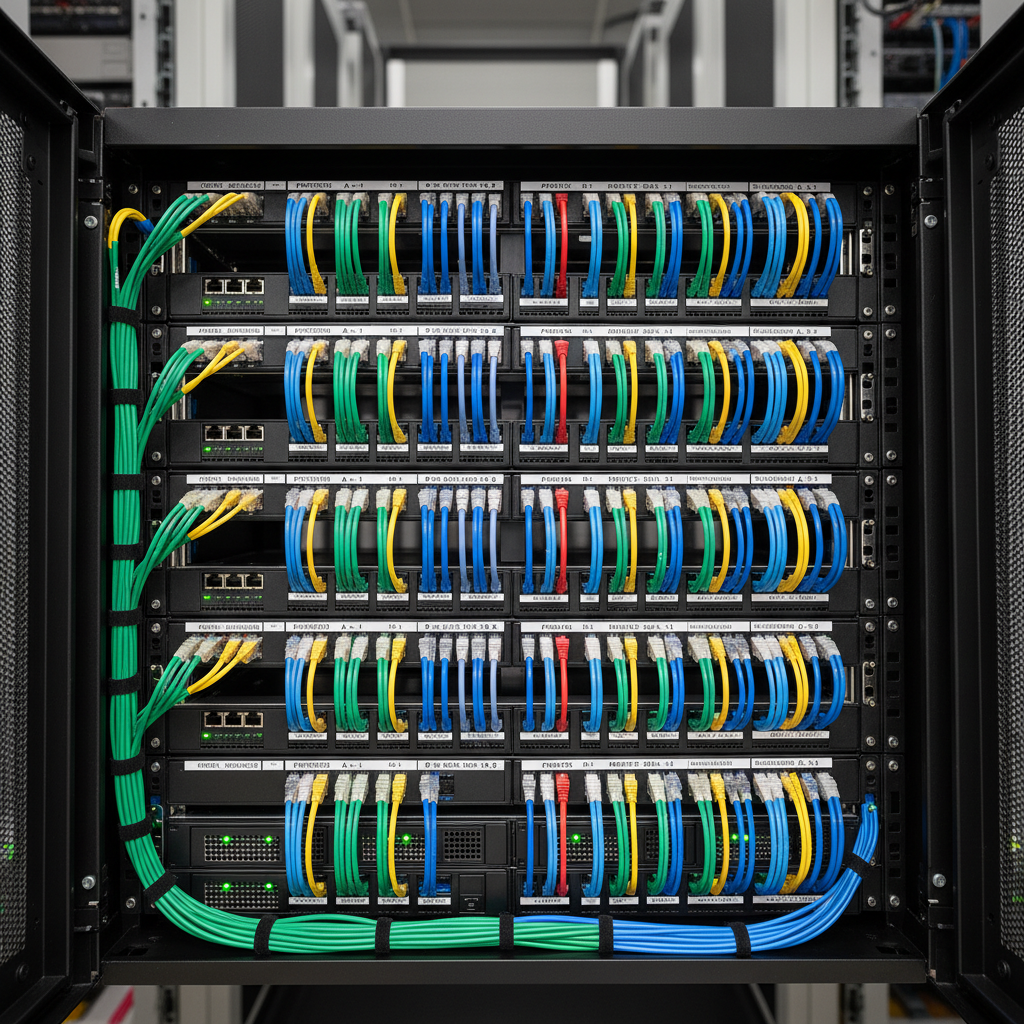
Cloud networking utilizes the internet to connect and manage network resources. It involves various components such as cloud-based routers, switches, and firewalls, which are all managed through a centralized platform. This setup allows for seamless integration and management of your network infrastructure.
Implementing Cloud Networking in Your Business
Transitioning to cloud networking may seem daunting, but with the right approach, it can be a smooth process. Here’s how to get started:
- Evaluate your current infrastructure and identify areas that could benefit from cloud integration.
- Choose a reliable cloud service provider that aligns with your business needs.
- Plan a phased transition to minimize disruptions and ensure a seamless implementation.

Security Considerations
While cloud networking offers many benefits, it’s crucial to address security concerns. Implement robust security measures such as encryption, multi-factor authentication, and regular security audits to protect your network from potential threats.
Future of Cloud Networking
As technology continues to evolve, cloud networking is set to become even more integral to business operations. Emerging trends such as edge computing and AI-driven network management are poised to further enhance the capabilities of cloud networking, offering greater efficiency and innovation.
In conclusion, cloud networking provides a powerful solution for modern businesses looking to optimize their operations and stay competitive. By understanding its benefits and implementation strategies, you can leverage cloud networking to transform your business infrastructure.