
The Ultimate Guide to Building a Robust Network Infrastructure
Understanding Network Infrastructure
In today's digital age, a robust network infrastructure is essential for businesses of all sizes. It forms the backbone of your organization's IT environment, enabling seamless communication, data transfer, and connectivity. Whether you're a small startup or a large enterprise, understanding the components and best practices for building a strong network infrastructure can greatly enhance your operational efficiency.
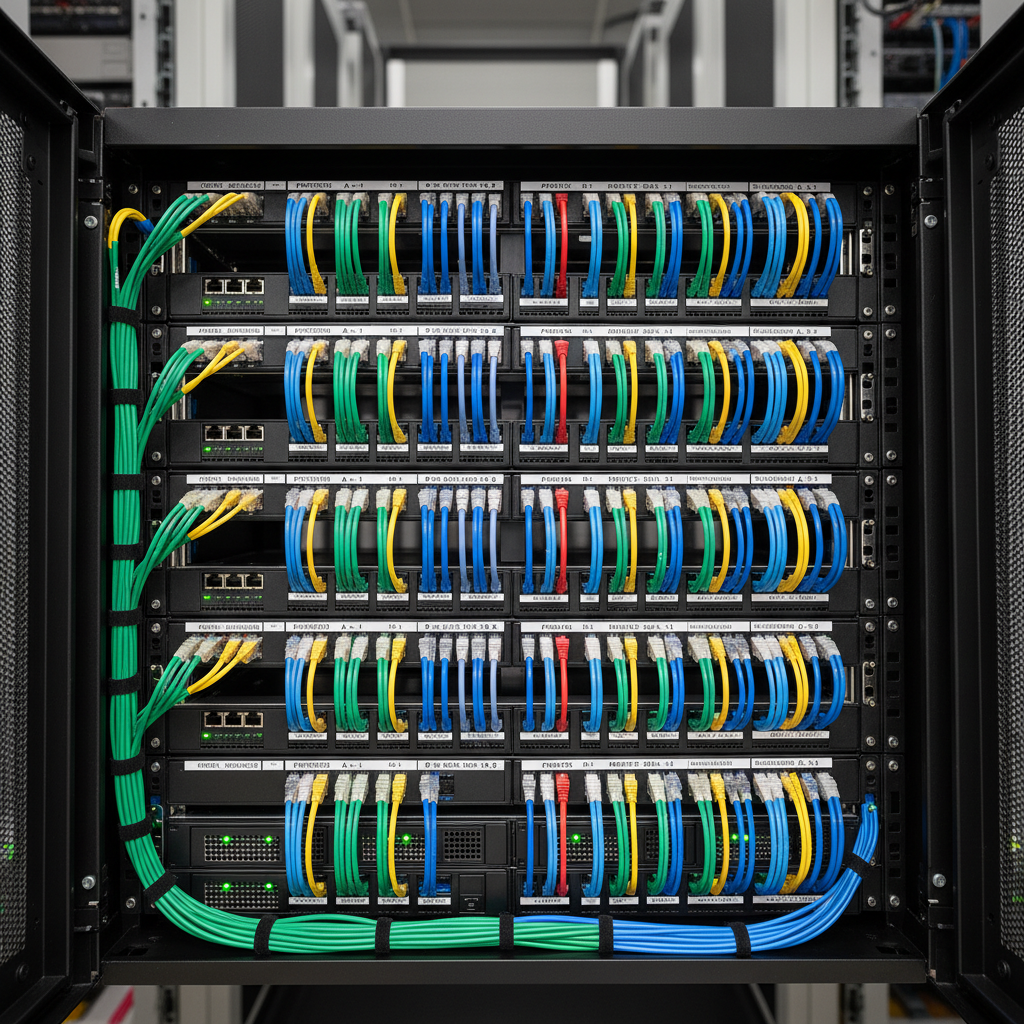
Core Components of Network Infrastructure
Network infrastructure comprises several critical components. These include hardware devices like routers, switches, and firewalls, as well as software applications and protocols that facilitate communication. Each component plays a vital role in ensuring the network's performance and security. Investing in high-quality equipment and up-to-date software is crucial to maintain a reliable infrastructure.
Designing Your Network
When designing your network, consider factors such as scalability, security, and redundancy. Scalability ensures that your network can grow with your business, while security protects sensitive data from unauthorized access. Redundancy involves having backup systems in place to prevent downtime in case of hardware failure. A well-thought-out network design can save you time and resources in the long run.

Implementing Network Security
Network security is a top priority for any business. Implementing strong security measures protects your network from cyber threats and data breaches. This includes setting up firewalls, using encryption, and regularly updating your systems. Additionally, educating your staff about cybersecurity best practices can significantly enhance your network's security posture.
Regular Monitoring and Maintenance
Regular monitoring and maintenance are essential to keep your network running smoothly. This involves tracking network performance, identifying potential issues, and performing routine updates. Utilizing network management tools can help automate these tasks, allowing your IT team to focus on more strategic initiatives.

Optimizing Network Performance
To optimize network performance, focus on bandwidth management, load balancing, and reducing latency. Bandwidth management involves prioritizing critical applications to ensure they receive the necessary resources. Load balancing distributes network traffic evenly across servers, preventing any single server from becoming overwhelmed. Reducing latency improves the speed and efficiency of data transfer.
Future-Proofing Your Network
As technology continues to evolve, future-proofing your network is essential. This involves staying informed about emerging technologies and trends, such as 5G, IoT, and cloud computing. By anticipating future needs and challenges, you can make informed decisions that ensure your network remains robust and relevant for years to come.

Building a robust network infrastructure is a complex but rewarding process. By understanding the core components, prioritizing security, and planning for the future, you can create a network that supports your business's growth and success. Whether you're starting from scratch or upgrading an existing infrastructure, following these guidelines will help you achieve a reliable and efficient network environment.